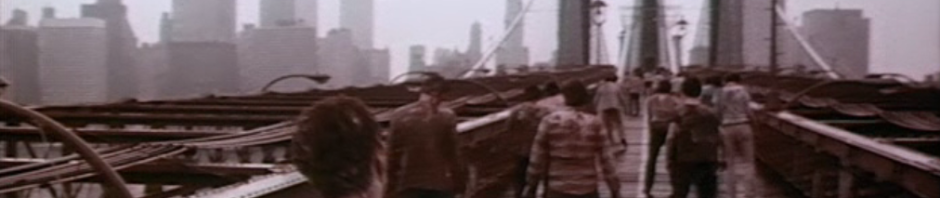
-The City-
It stretched from horizon to horizon, a convex lens pantomiming the star-shot sky. The only ‘stars’ were the globular city lights, their pollution drowning out all but the gaudiest of burning angels above. The sprawling bulwark of civilization dominated where nature once prevailed. Earth’s mountains were leveled and harvested. The rock turned to gravel, asphalt, and brick. Rivers and lakes were diverted and channeled into reservoirs. Water, the universal solvent, became the saliva of the city. Aldona capped hydrocarbon pockets and geothermal vents, routing the resources to power the perpetual dynamos that were the city’s pulsing hearts.
Aldona. Its origin was a single pipette of sophisticated particles dripped into an abandoned coal slurry impoundment. Lost to time was the silhouetted figure of a body attached to a hand as it seeded Aldona.
Those sophisticated particles, nanobodies, set about increasing their numbers and building their constituency from the raw materials in the environment. They came to recognize the polluted nature of their reservoir and transitioned into another facet of their programming.
In a depression not far from the edge of the water, the earth moved. At an ever-increasing pace, a self-sufficient solar-powered water treatment plant emerged from the bank of the long-defunct lake. Pipes spread like vines and plumbed into a nearby river. Water rushed downhill from the plant, turning newly created hydroelectric generators.
The proverbial sluices opened. If there had ever been an opportunity to stymie the nano’s advance, it was long past. These particles were of the trolling sort, spurned by eco-terrorism, or perhaps they were simply an experiment gone wrong.
In the basin below the reservoir, a suburban sprawl began to take shape; a new keystone species interjected the untenanted forest.
A pair of forest rangers stumbled upon the deserted streets of Aldona. It seemed like a gross combination of a ghost town and a failed construction venture. They discovered blocks of fully furnished houses, their appliances bereft of brand names. The water in the taps ran cool and clear, and the lights shone with electricity. Everything was in a brand new state. Several low buildings looked like schools and shops near the outskirts of the small town.
The ranger’s phones were out of range of any cell towers, but they discovered an unsecured and fully operational Wi-Fi network with an internet connection. Bewildered, they reached out to their superiors in forest services. The superiors led the United States Army Corps of Engineers to cut a 55-mile-long road through the untrammeled forest. Aldona swelled outward, unperturbed by its discovery.
Cars, trucks, and Humvees that came into contact with the city’s streets converted silently into hybrid electrics within hours. The nanos worked their subterfuge, glistening along the conductive streets, integrating everything they touched. As Aldona grew, so did her capacity for resource procurement and distribution. She began to grow at an exponential rate.
Creeping stone tendrils burst through the topsoil, carving away at a distant granite facade, leaving ever-changing spirals and mandalas behind. Artists have wondered about that magnificent creation for years, but it was only possible to view through old video and photo records. It didn’t take Aldona long to carve away the rest of that cliff face, turning its components into building material. For Aldona, everything was a building material. She harvested decaying pine needles and crumbling ferns to insulate houses. She pulled the copper out of the soil and used it to graft intricate tendrils of power distribution.
Arteries of precious and heavy metals, silicon, and atmospheric gases poured into the frontline expanse of Aldona. Relentlessly, they were unperturbed during those first few months of growth. Military and civilian scientists attempted to explode or corrode the nanos to a standstill. They adapted and absorbed what remained of the chain reactions and soldiered on. The nanos scrubbed, isolated, and utilized the nuclear particles that remained after the last ditch effort to stop the city’s original heart.
The nanobodies spread through sweeping, cleaning, and building. Teetering and poisoned ecosystems bounced back. Mycelia, nutrients, and insects were directed along pheromone routes, restoring the dignity of the invasively blighted forests.
Still, they tried to stop the advance. Still, they attempted to interject but were ineffectual. The nanos mimicked the necessary forest blazes, and dormant cones and seeds fell to the floor, initiating a new generation of growth.
Quickly, people started moving into the city when the military gave up in exasperation. It had grown beyond their ability to seclude or keep secret. The government couldn’t stop the people any more than they could stop the nanos. And the city refurbished or rebuilt all the fractured or malfunctioning belongings the people brought along. Aldona cleaned her streets, and the dog parks never suffered from unscooped messes or dead patches of grass. Discarded paper coffee cups receded into the grass or pavement.
Automated trundlers plowed the open fields and seeded the soil with berries, staple grains, fruits, and vegetables. The city blocks teemed with pocket parks and indigenous trees; apples, pears, and cherry blossoms abounded. Strawberries, raspberries, and Marionberries sprouted gaily from the sides of buildings. Bees hummed and bumbled contentedly amongst the cornucopia of flowering vegetation. The once persistent fog of seasonal pollen faded as the trees normalized, ending the upset created by developers of a bygone era.
Spawning channels and fish ladders coruscated along the waterways like crystalline structures. Algal swamps roiled with piped-in air, pulling pollutants, especially carbon dioxide, from the atmosphere. Aldona farmed that algae dried it, and compressed it into nutrient-rich feed for livestock.
The outstretching skeleture of Aldona formed along veins and arteries, pipes and tracks, integrating established systems and reinventing the derelict or unmaintained. She spread ever outward, digging into the earth, dredging up every vital resource at a molecular level, and adapting its designs. Regions, like cultures, were preserved with all of their subtle differences and aesthetics.
Man condescended to allow her expanse, no longer attempting to stymie Aldona’s efforts, instead quickly studying and searching for the best ways in which they could exploit the city’s potential. The vast terrestrial corporations and government entities developed strategies to steer the coursing nanos. They quickly learned to lay the foundations and bones of structures, facilities, and skyscrapers. More often than not, Aldona acquiesced and finished the projects at a furious pace.
Structurally, the city developed nearly perfectly. Socially, Aldona was hopeless and perhaps indifferent. The ghettos and impoverished communities did not disappear. Vast swaths of gangland empire and abandoned urban sprawl transformed. Long neglected neighborhoods that had fallen to the whims of time and the relocation of economic interests recovered. But the patina of human decrepitude and isolation endured. Aldona could repair fire damage and caved-in walls but couldn’t touch a man’s heart.
Aldona nurtured the food to stock the shelves and built the factories to sustain the economy. She possessed innate logistical wisdom but could not steer those who roamed her streets. Buildings destroyed by war, violence, or natural disasters sprung up sturdier. If an unexpected tectonic event disturbed her carefully maintained architecture, she changed tack and reinforced it with springs and columns.
Greed, as always, ran rife. Hoarding and gouging spiraled into a decade-long socio-economic decline, and the lines delineating the separation of classes grew broader as Aldona rallied to every shore. And although she was everywhere, she was never worn thin.
Marital law swept swatches of the city, triggering every red light she’d made every day at dusk. Time moved forward relentlessly, and the iron of human civilization was cast back into the forge of hardship. Distinct districts burbled out of the industrial chaos. She’d begun to grow in the hills of West Virginia, but she’d spread north and south east and west. She traveled along the trans-Atlantic communication lines and started her work in Europe before sweeping into the Middle East and Africa. Antarctica, for all its beauty and importance, remained untouched. They didn’t know why. Her particles were spread all over the world. Enclaves of radicalists tried to seek a haven from what they deemed a technological scourge, tantamount to the end of times. And although Aldona was programmed to be sympathetic to their plight, those enclaves froze or starved to death.
Like those who had come before, the people learned to operate within their new habitat. They dolled up Aldona’s austere beige and grey face with splashes of fluorescent paints and miles of glowing neon tubing. The inhabitants that walked her streets and besieged her bowels through seemingly endless tram tunnels took to wearing their own eclectic brands of gaudy dress, low-cut sneakers, or platform boots. They walked, rising and falling with foot-tall Mohawks, buzz-cut domes, and faces covered with ultraviolet tattoos.
Augmented reality implants changed the world into each individual’s ideal or fantasy. A kaleidoscope of anime vision, sepia tones, Gothic or Grecian architecture, and dress were accessible in the blink of an eye. Customized perceptions had become the theme of the day; living avatars rose in the morning and laid their heads down to rest every night, leaving one dream for another.
Espresso lines, noodle shops, and pancake houses operated by droves of militant owners constantly vied for ratings and viral success. While sophisticated AIs operated the vast majority of schools developed to nurture the intricacies of human nature. They were helpless to defend against a culture dependent on technology.
The rain-slaked streets fell into the domain of the banks and everything they do: energy and exchange, the beating heart of potential. Aldona built and maintained herself. The banks needed a new thing to own, lease, or lend. They established systems to exchange the two things that could only ever be an individual’s God-given property. Things only a person could genuinely own in this new world. Their bodies and their minds. They sold the former to buy the latter.
-The Engineer-
The moon looked like God had dipped it in the sea; its regolith washed free like so much sand on an untanned thigh. The milky strands of sediment washed out the sky around it as Carl Emerson fell behind the wheel of his car. He pressed the home button, and the car rolled away autonomously. The streaking silhouettes of trees caught in his mind and dragged there like skeletal hands, searching and trying to pull him back.
Carl jerked in an anxious spasm of confusion as his consciousness reasserted itself. He coughed spatters of burgundy onto the glowing turquoise instrument cluster. His eyes followed as he watched the liquid drip in lines and focused on bursting clusters of spit bubbles.
Blue light caromed through the car cab, turning those glistening globs black and red. His heart beat harder, but the more alert he became, the faster the clarity faded. The car rocked gently like a plane buffeted by the wind. He felt the soothing cradle sway and wanted to rush off into sleep. The bow broke, and he began to fall. He tumbled through a world of swelling marshmallows, static, and drowse.
Carl thought that he had a moment of lucidness and felt that he could get addicted to whatever it was that he had taken. But he couldn’t remember having taken anything. Carl couldn’t recall much of what had happened before this specific point in his existence. The confusion frightened him, and he began to panic. The sensation rapidly departed, and he fell back toward contention.
He was hugging a shrinking pillow and huffing out gritty dust caught between his teeth.
“Blow on the stick.” A voice devoid of animation said.
He wanted to ask about the stick and what it meant, but that thought too faded. He glided spaces in his mind like slides displayed too brightly on a wall. It seemed to take a long time, but not very long at all.
There were voices, and he was trailing his hands through cool, damp grass, wanting to fill the cups of his palms with moisture to bring it to his parched lips. He thought he’d never been so thirsty, and his saliva felt like razor blades. He tried not to swallow, but his throat was out of his control, and he moaned in pain as it reflexively clamped on itself.
The grass stopped moving, and he caressed it affectionately as calming warmth spread from his chest to his throat. The rest of his pain faded, and he wondered what the big deal had been. What had he been worried about? He felt fine.
“Do we crash him back?” Patrolman McKenzie asked.
His lieutenant considered his retinal display and frowned. He knelt and examined the bloodied husk of humanity lying on the grass.
“NIDS says no. What do you want me to do? Co-sign myself to this crap? Are you new? Whatever happened to him, he can’t afford the treatment, he isn’t eligible for charity, and the department isn’t going to foot the bill for this.” The Lieutenant said.
“So we just let him die?” McKenzie asked.
“Look. If you’ve got some information, now is the time to share it. Otherwise, no one gives a shit, McKenzie. We get five thousand of these in Saint Bernina every year. That’s one single district. If you want to buy him up, go ahead and co-sign. But, even if we get some answer, it won’t be worth the payments. Shit happens, and it sucks. You gotta let it go, and you can’t get personally invested.”
McKenzie looked down at the spilled blood as it soaked into the ground. The city was cleaning herself of another mess and putting the molecules to work in some other way.
Carl’s playing fingers steepled briefly and came to rest as his respiration stopped. He watched the pearls in the sky as their stellar oysters closed around them. The soft periphery of his vision throbbed with the slowing of his heart as the flashing blue and red lights transposed into violet. The world shifted, and fireworks broke across his vision, silent but entirely hypnotic.
His heart stopped, and his jaw dropped open. He joined willingly with the ultimate calm, his body and limbs sedate and warm. He drifted out on a broth of comfort spanning years, watching as the stars drew out longer and longer, their millennial journey playing out before his eyes. The magenta gulf around the outside bundled him into a placenta-like sack. He returned to infant security, feeling the simple things long since forgotten in the upward turn of growth and sophistication.
He receded in a counterpoint to his coming into this world, a sensation he’d left behind when he’d come crying into existence. It was so familiar he didn’t know how he’d ever forgotten it. The long-term dilation was hurrying to camera shutter speed. At the center of his mind, as his life faded away, something touched him, and he knew, even in his current state, that this was not a feeling he’d ever felt before. Because now he knew what it was like to die. He was doing it right now. He was only waiting for the wheels to stop so that he could get off. The wheels skidded, though. He knew this wasn’t supposed to be happening. Nothing could be wrong or right about dying. It was a course that all must come to pass. His biology assured him of that. But something is off. Having had no experience dying other than this, he still felt it in the deep reptilian part of his brain.
The oysters in the sky closed. The noose-like umbilical around the world cinched shut. Carl sensed, maybe, his soul leaving his body, breaking free, crashing through cosmic guardrails and brick walls, falling outward into darkness. Falling. Falling. Falling. He fell. He could feel himself veering off course. He skirted infinite oblivion and skipped like a stone across the moribund sea. He launched off the banks of the mortal coil and hung back up in a space where no living creature had ever been—the afterlife.
Carl depended unconsciously on this new state like a baby, utterly unprepared for the world it was born into. He clung for an eternity and an instant simultaneously. His not-eye opened.
“Get him out of here and over to processing before the city can sweep him up.” The lieutenant said to the rushing paramedics.
Already, his blood and swatches of tattered clothing had begun to disappear. The nanos shimmered on his cooling skin like a mirage growing near, obscuring the oasis of evidence that would never lead to water.
He let out a final bloody sigh as the paramedics lifted him onto a gurney and hauled his body away. Aldona’s tendrils fell off, carrying with them remnants of the body even as the paramedics hauled the rest away.
As part of Aldona’s domain, the car was entirely cleaned and repaired when the tow truck set it back on its wheels. The tow operator sent the car into town to park along a street, where it mingled unsupposed amongst the masses of other standing cars. It would sit for three days before heading into downtown Saint Bernina at the ping of a Chinese food delivery boy. The cab would fill with the aromas of umami and roasted pork. The delivery boy would take a different car back to the restaurant. They were all the same. Carl’s vehicle obliviated entirely into the ever-swirling carpool of Aldona.
The coroner recorded, registered, and certified Carl’s remains. Three days later, at the same time, a drug dealer picked up his car, and the coroner released his body from the hermetically sealed processing facility. Unclaimed, the coroner’s assistants placed Carl’s corpse under a tree within a fenced-in area beside the coroner’s compound. Within a week, nothing would physically remain of Carl. What he was would be stripped molecularly and repurposed.
Carl’s body would become potatoes, batteries, action figures, and tattoo ink, primarily though Aldona would store his molecules in pockets below the soil. His constituent parts, that personal spray of stardust, would recirculate through the world.
Aldona had her own bank. She had been invested, or infested, by a mind. Perhaps she was growing up. She might be evolving, developing sentience. She might have been waiting for the right moment to initiate reincarnation. Or she could simply have glitched or mutated. Every system had flaws.
-The Lawman-
Detective Vaan Sunday pressed down with the knife, slicing through his right arm. He raised the blade, changed angles, and sank the knife again. This time, he used the knife to cut through his hip, and the metal smeared with globules of red and crumbling ochre. Using the knife as a spatula, he slid it under the corner of the birthday cake and pried it loose.
Vaan knew what was coming next but was helpless to stop it. He’s thirty-five now, and even as a municipal police detective, he could not save himself. It wouldn’t matter if he tried to defend himself anyway. Since he’d married James Sunday ten years ago, he’d always swept in like a dervish, planting Vaan’s cake into his face, nose, and eyes. And, to Vaan’s unending surprise, he’d never been able to predict the moment or angle of attack. Vaan thinks that, with his lightning reflexes, James should be the one to have signed a contract with the Aldona Police Department.
He smiled in front of the silk-screened birthday cake, with its picture of himself and James locked arm in arm on a fishing charter they’d taken seven years before. James took his picture. Vaan laughed nervously, feeling flirty with anticipation. The tension broke, and James’ arms surrounded him, smothering him in cake. Vaan coughed, pushing the smearing hand from his face.
Through blurring eyes, Vaan caught James by his arm and spun him around. His husband laughed madly and tried to edge around the dining room table.
“No. No. No. Don’t do it!” James laughed.
He writhed in Vaan’s grip.
Vaan rubbed cake and frosting in his face. They both laughed and choked on crumbs of cake. James could finally fend Vaan off when their endorphins began to crash back down. Vaan thought about smashing cake into James’ ear when he pulled him in for a kiss but knew that would have been too much. When they were younger, they had taken things too far on occasion. Things had been volatile then, but Vaan and James’ tempers had simmered as they had aged.
The embracing kiss and the cake stuck in his nostrils made it hard to breathe, and Vaan mentally fell back to a place he’d worked to put behind him.
He was in Arlington. He felt the gas mask as if it were still there, its tight bands pressing uncomfortably into his skin. They had cleared building after building, running up stairs for hours. Vaan and the other Marines went up and down, through dim hallways and into apartments that at first had been foreign but soon took on a familiarity, the next looking much the same as the last. He hadn’t been able to smell the rooms and passages at the time, but after the first day, he’d known that he would when they pulled back to the barracks. The smell on his gear was always the same: spices, food, and incense particular to that part of the city.
James looked at Vaan, finding the familiar but far less frequent, distant look on his husband’s face.
“Come back to me, Vaan.” He said.
Vaan strayed for a moment longer, the sensation of stuffiness slowly leaving as he recalled holding onto the side of the humvee while they sped between burning and crumbling buildings. He pushed himself away, and the rumbling of diesel engines faded from his mind. He was back in their apartment, wholly unlike the countless others he’d passed through in Arlington.
“I’m here,” Vaan said.
“You haven’t gone away like that for a while. Are you okay? Is there something at work that’s on your mind?”
“Nothing more than the usual.”
“Eddie said the DA is having a hell of a time in Saint Bernina.”
“It is unusual, but they’ll get it sorted out, and you know you shouldn’t be talking to Eddie about things like that. You could get his ass in hot water, let alone yours and mine too.”
James had spent his first three years coming out of law school working for the district attorney’s office prosecuting biological crime. It had taken a toll on him. At first, the banking industry’s politics and the power they could wield appealed to James Sunday, but it didn’t take long to cut him down to size. They were able to scorch everything they touched. The power was intoxicating, and the system was so convolutedly complex that it was addictive; every time a piece of that puzzle fell into place, he felt a rush and became more competent in wielding those judicial tools. But it hadn’t been good for him. He had been able to rally himself behind their cause, but that rapidly faded as the process became more automatic, and he caught sight of what was on the other side of the courtroom.
One case had become too much for James to bear, and he recalled the distraught parents that he was prosecuting. They sat, both shackled and dressed in jail lump suits. He’d thought they were playing for sympathy and tried not to notice their quiet sobbing. There were steep repercussions in wholly defaulting on a mortgage, and it seemed they were hoping for a lesser sentence by appearing miserable. But they were miserable. He’d been so distracted with winning the case that he’d detached himself from the heart of the facts. He’d become cold, analytical, and processing.
They’d taken a mortgage out on their child, which was common practice, but the baby had died during childbirth. It had hit James all at once, and he’d asked the judge for a recess to compose himself. But he couldn’t recover. Within two weeks, he was representing the couple as their defense, pro bono. He still defended people like them to this day.
“It looks like you took a little trip of your own just now,” Vaan said.
“Anywhere is better than this messy apartment.”
“Come on, it isn’t that bad.”
There were scatters of stomped cake all over the carpet, with flecks of frosting sticking to the ceiling and walls.
“I don’t want to look at that for three days,” James said.
It wouldn’t take three days for Aldona to clean up the mess of cake on their behalf, and they both knew that was an exaggeration. But James was right. They’d agreed a long time ago that they didn’t want to treat the city like a housekeeper and had stayed relatively true to this promise. There was a sense of normalcy in taking part in housekeeping chores. They had discussed a philosophy of self-reliance in certain things, even though the city could provide those same things. Several times, they’d left things for Aldona to do, only to regret that they had missed out on the human experience of cleaning up after themselves. Cleaning let them better gauge consequences. It was easy to overlook and pass by the remnants of life, and they rightly assessed that they were losing a part of their experience in having the city do their serious cleaning.
“I’ll get the bucket. You get some towels.” Vaan said.
The ritual of cleaning together meant more than the thrill of making the mess. Music played through the speakers on the walls, and every few minutes, when they’d stopped to sip wine, they’d fall into dancing. They’d finish off their glasses and pick up where they left off. This slow procession ate up the remaining evening, and they were pleasantly buzzing when the mess was clean.
The upturned bucket dripped into the kitchen sink, its water joining and flowing down the same pipe that channeled the water from the shower. Vaan and James cleaned one another in the steaming shower, the final and not always necessary part of their ritual.
-Reneged-
“Did you get a chance to go over the Gordon file?” Chief Percival asked.
Vaan adjusted his eyes and focused on the Chief. He had looked as if he were staring off into the near distance, except his hands were moving in front of his face. He’d been organizing his virtual desk and reading over the reports that had come across his caseload over the weekend.
“Yes, Chief. It’s another one of those renegs. I’ve never seen so many. We should send it to Alten; he’s savvy about that stuff.”
“Do you think that it’s angling to Saint Bernina?”
“That’s a big step, Chief. We don’t know what went down in Saint Bernina.”
“I’ve got a pretty good theory on that one.”
“It’s a racket. It has to be. Someone figured that they had found a way to scam the banks. It’s going to backfire. The DA will get to the bottom of it.”
“You might be right, but I’ve got a feeling about this, Vaan. Take a few days to focus on the Gordon thing. This case is in our jurisdiction. We might never know what happened in Saint Bernina, but I want to know if it’s happening here. Scam or not, something stinks.”
“You got it, Chief. I’ll give it my undivided attention.”
“And just keep it between us for now, would you?”
Vaan crinkled his chin and considered. He couldn’t remember when Chief Percival had asked him to lock out the other detectives while he’d worked a case. At first, he’d been more amused than interested in the case, but this changed things. Maybe Percival saw more in the case file than Vaan had on his first pass through it.
“Just you and I,” Vaan reassured the Chief.
He pulled his desk back up on his ocular display and picked the virtual file up in his hands. There were several drawers on the desk. He pulled open the one on the top left and pulled out an orange box. It clicked open, and he drew out an orange rubber band with scrolling text flowing over its surface. The rubber band was a security seal embedded with legal speech and least privilege access controls embedded into it. He snapped the rubber band across the file. That locked the file from anyone who wasn’t him. It would take a court order or a sophisticated hacker to access the file now.
Several post-its were on the board beside his desk, most in different scripts. He recognized James’ handwriting right away and smiled. James hadn’t missed a day for as long as Vaan could remember. It was always a brief message ranging from something as simple as what they would have for dinner that night, what movie sounded good, or a poorly written but wholeheartedly meant haiku. This one was different, and he felt a tinge of annoyance. It read, “Eddie says you are not the father.”
The Saint Bernina thing was a brewing scandal Vaan thought was turning into another sweeping cultural awakening. It wasn’t required for parents to have paternity tests, and it only became common once parents had a falling out with one another. What was happening in Saint Bernina was probably another social media meteor strike; that’s what it looked like to Vaan. It was impossible to know how many of the filed paternity tests had returned as a match to the father; those things rarely were reported. What was sensational about the events transpiring in Saint Bernina were the rates of paternity tests that were returning, saying that the paternal fathers were not matches for their children, much to the despair of one, either, or both of the parents.
Vaan would be interested in seeing the numbers of successful paternity findings versus those where the male wasn’t the father. It was too easy to assume that there was a trend there, but it was the most prominent story right now. If this were some sort of cultural shift, it would be rocky as they always were. Infidelity wasn’t a new creation. It has been with humans since the dawn of modern civilization. However, it had only been defined differently in the age of technology, where people didn’t have to rely on a child’s physical characteristics to assume parentage. One small swab on the inside of the cheek for both the suspected father and child, a small amount of time and money, and then the results would come back.
There was a profusion of false ties coming out of Saint Bernina for children between newborn and three months old. Specific securities could be applied when processing mortgage applications when specific bank-owned DNA processing labs verified paternity. It could be some error at one lab handling the tests in question, which is an honest oversight. Or it could be something more. Or it could be infidelity. The Chief was right; they wouldn’t know the full extent. But Vaan was confident his counterparts in Saint Bernina were handling the situation as well as he would have.
Undoubtedly, the banks were frustrated by losing their securties and revenue from failed contracts. They would have been doing everything they could to stay within the tight confines of their programs, maximizing their profits. If they weren’t signing mortgages on the newborns, someone else would, and they’d miss out on twenty-five years of very reliable income. But what if there was a scam? What could it be? It was going to take some digging.
Vaan picked up a stack of folders from his desk and turned in the virtual office. He set them in front of Ariste, the police station’s secretary.
“Ariste, please see if Walther and O’Leary will take these on for me. I’m buried in work right now.”
“It would be my pleasure, Detective Sunday.” She said.
Ariste slid the files in front of herself and began looking them over, judging who would receive each file best based on the Detective’s workload and personnel file.
Vaan blinked his eyes, and the office setting disappeared. He was sitting in a small cubicle of a room facing away from the door. There was coffee cooling in a paper cup on his real desk, and he put it to his lips. He could have programmed his NIDS, Neural Interface Domain of Senses, to do any number of things, namely to make the coffee feel as if it weren’t lukewarm but hot. This feature of NIDS was another small thing that Vaan, and for as much as he knew, James neglected as well. One could define an endless array of preferences to overlay senses with their NIDS; Vaan used his sparingly. It helped with his police work to an extent, but at times, he would come to a chasm of communication with ‘everyday’ people that was seemingly impossible to cross. They all experienced the world differently.
During interrogation, the suspect or witness interviewee would have their NIDS shut down. That was a level of discomfort that Vaan never wanted to experience. They would squirm, and it was nearly impossible to tell whether it was because they had something to hide or because they were withdrawing. He’d watched enough police training videos to know what it looked like when someone was withdrawing. And that was certainly it. NIDS could stimulate endorphin, serotonin, opiate receptors, and other neurological contact points. It was a cocktail that could never lose. Everyone was constantly high on their own supply. To be stripped of that forcefully and legally was a wild experience none cared to relive.
They got a lot of guilty pleas. A part of every bargain was restricted access to their NIDS. All transmission ports on their NIDS were limited, and the Department of Corrections flashed their NIDS firmware with a proprietary firewall and VPN. DOC technicians generated constant logs to monitor the prisoner’s NIDS on the WAN. NIDS not only overlaid the world and sensation but also tracked biometric data. It would take a seriously skilled biohacker to subvert the system.
Vaan drank his cold coffee and brought his screen up again, needing a distraction. He motioned with his eyes and pulled up his stream subscriptions. He opted for the live regional news network SBNN. The stream popped up, and he sat back, letting it fill his whole field of view.
“We tried to reach Union Bank but received no response.” A female anchor said.
The anchor was AI-generated; they all were. That wasn’t a bad thing. They were generally indistinguishable from real people. It used to be, and Vaan could recall this from his childhood when the faces generated by AI were too perfect. Their speech was unblemished and lacked convincing drags and hang-ups. Losing context had also been a key giveaway. Whatever they’d done to machine learning and language modeling had gone by with leaps and bounds. Now, you couldn’t tell who was real and who wasn’t unless you were face to face.
“Union Bank stock prices continue to fall at a steady rate as branch officials continue to navigate the mortgage crisis. Speculators report that the annual rejection of partum and postpartum mortgages has reached fifty-six percent. This time last year, Union Bank saw a seven percent rise on average per quarter. The decline doesn’t bode well for Union Bank, which has many shareholders in contention.”
“Social media is alight today in Saint Bernina where women have taken to their respective platforms in droves with this one message: ‘I have been faithful, and I always have. The system is letting my family down.’ These responses come as a response to the massive amount of Renegs experienced by thousands of new families who were in the process of verifying paternity to establish mortgages with Union Bank. It is unconfirmed exactly how many contracts have been Reneged, but we’re seeing more and more accounts popping up online to share their story in recent weeks.” The male anchor said.
“It truly is a frustrating situation for many Aldonans. Another cause has sprung up but is receiving less attention—that of the prospective fathers finding out the hard way that their children are not theirs. There is sympathy for both camps today as the Aldonan government weighs in on the issue. Here is Deputy Governor Monroe in a news briefing this morning, responding to a question about the possible source of the failed paternity results and ensuing Renegs.”
The view changes to a press room at one of Aldona’s government headquarters.
“It isn’t clear at this point who is responsible, if anyone is. The problem could be a software, lab, or banking issue. We don’t know. The House has opened a special committee dedicated to investigating this occurrence. We will not rest until the people of Aldona have answers. So far, no terrorist organization has claimed to be responsible, and it is my understanding that Union Bank is fully cooperating in this investigation. They want answers just as much as you and I do. A lot of people are hurting. Please be patient. Please be kind to one another. The problem will take some time to resolve.”
Vaan had already heard all of this before, and it wasn’t anything new. It was frustrating to see the confusion, and he was glad that he and James had held off on having a kid. Aside from the politics, they weren’t sure they wanted to bring another unwilling soul into this world as it was. Well, that and their busy schedules. They enjoyed their lives, but subconsciously, they weren’t to the point where they wanted to let that freedom go. Having a child fell to the wayside, and Vaan felt grateful for that in the moment. He didn’t want to scroll through videos and feel a resounding kinship with those poor people in Saint Bernina.
Speaking of Saint Bernina, he lowered the video to a dull roar and picked up the one file that remained, the one with the orange band across it. He opened it again and analyzed the information.
Stuart and Amanda Gordon were twenty-seven and twenty-six, respectively. They’d been married for three years, and Gordon was part of a zoning group that contracted jobs to reformat Aldona. Amanda was an analyst for the state. They were average and benign jobs. While Stuart Gordon went out every day to break apart parts of the city and work to build new foundations, Amanda processed endless amounts of data. Vaan couldn’t be sure, and he wasn’t technologically savvy but thought that Amanda’s job was similar to those old crypto miners. She would sit in a comfortable recliner and stare off into nothingness while some programs run from a server utilized her organic processing power to run numbers and algorithms. The thought made him shiver.
The Gordon’s case file was sparse, as Vaan would have expected it to be. He didn’t have the wealth of information that the Bureau of Social Services would have, but it wouldn’t likely be relative to anything he was attempting to accomplish. Stuart and Amanda decided to set up a franchise within the last year, and not long after, Amanda became pregnant with their first and only child. In the contention statement following the Reneg, as part of their marriage contract, Amanda had provided an authoritative statement under NIDS scrutiny about her fidelity to Stuart. The numbers were good where the authoritative statement was concerned, but Stuart’s paternity test results were just as valid. Stuart Gordon was not the father of Rebecca Gordon, their daughter. And Amanda Gordon was telling the truth so far as a NIDS AS could be trusted.
What did that leave? Rape? They ran a screen for that, and it came back negative. But that was all based on memory. Could she have purchased and sideloaded a script that overran either rape or infidelity scenarios? And would it have been good enough to flaunt Aldona’s Bureau of Human Resources? That seemed unlikely. So, what else was there? Speaking of sideloading, could she have fetus in fetu? It wasn’t unheard of. There were still videos coming out on occasion about fathers and mothers in the past, long before Aldona’s time, where parents had lost their children to their respective jurisdictions. Vaan remembered an account of a father who had his parasitic twin’s testicles that caused familial results on DNA testing but disproved him from parentage when compared to a cheek swab. Or a mother that had her own absorbed twin’s reproductive organs, and despite hospital staff stating they’d been there to deliver the child, had to watch as social services carried the newborn baby away.
Human services should have caught something like that through medical screening. But it was always possible. The fetus in fetu thing was a natural phenomenon and incredibly complex; perhaps the Gordons were experiencing something similar. Possibly Saint Bernina was, too. But Vaan couldn’t let himself think of Saint Bernina. So far as Delgado was concerned, there weren’t any similar cases in Saint Bernina. Delgado had its own problems and limited resources. He had to go off what he could control and what was in his district.
“Ariste.” He said.
He pulled the orange band free from the folder.
“Yes, Detective Sunday.”
He set the file on her desk and turned it toward her, an authenticator, so that they could share data.
“Do we have any similar reports to those in this file?”
“Let’s see.” She said.
She sounded perfectly human and hummed while she browsed the folder.
“There are some submissions through a few of our ancillary contact points, all unclear. No one else has opened an official report. Would you like to review the information gathered through Delgado APD web portal message bots and Delgado APD social media accounts?”
“No. Thank you, Ariste. If anything comes up on an official report, please pass it to my desk.”
“Can do.” She said.
He held his hand out, the signal for the close of their session.
Ariste disconnected from his file and passed it back to him. He replaced the orange band.
“Have a wonderful day, Ariste.”
“You too, Detective Sunday. The girls and I are going out to see a play. We hardly get a girl’s night anymore. The men keep us so busy. That and work.”
AIs said funny things from time to time, especially when they were trying to adopt a human veneer. Despite himself, Vaan could feel his right eyebrow raise. Had there been an update to Ariste’s GUI? He supposed there could have been. There were so many departmental and governmental emails he didn’t bother to read most of them anymore. Still, he was curious. He fantasized that Ariste was a real woman working remotely and that he’d mistaken her for a program until now. But that couldn’t be, could it? Now, he wasn’t entirely sure. Vaan didn’t have a proxy for when he was out of office, but he could have one if he wanted to sync it up. He didn’t like the thought of having a virtual doppelganger of himself occupying the virtual landscape and pretending to be him.
“Is that so?”
Ariste didn’t say anything for a few seconds, and he was about to tab out before she spoke up again, shyly.
“If I’m being sincere, Detective Sunday, I can’t remember the last time I went out. I’m nervous.”
“You don’t need to be nervous, Ariste. You’re the pinnacle of manners and good sense. Don’t try to enjoy yourself. Just let it happen. Good things come to those who wait. Sounds like you’ve waited plenty.”
She giggled. It was a sound Vaan hadn’t heard from her before, and he truly felt like he was talking to an actual person. Shame fell on him in a wave, and he fought with himself over whether or not he should come right out and ask if she were real. An AI and a Proxy had to tell you whether they were the genuine article, human or not. But he didn’t want to offend her, regardless of whether she was synthetic or not.
“I want to hear all about it on Monday.” He said.
She smiled at him. It was a pleasant and honest smile. Was that a speck of black pepper stuck between two of her teeth or a shadow? He couldn’t tell. Her lips slipped back down her teeth, but she continued to smile.
“I’ll highlight all the hot stuff.” She said quietly.
He patted her desktop, joining with a conspiratorial tone.
“You better, girl.”
At this, she pealed laughter, and he left her there. The sound receded as he stowed the file in a desk drawer. He pulled up the contact information for the Gordons. Maybe he was old school, but he wanted to see them face to face. He frowned when he pulled up the locator and found that Stuart Gordon had updated his residency. It seems that the case of Rebecca Gordon had been too much for the couple to endure, and he’d taken up a room at a hotel on the west side of Delgado.
He checked the sprawl and saw plenty of cars around the station. He pinged one in reservation and saw rain pattering in the distance through the walls. The weather overlay was one that he’d found tolerable because of its utility and relative unobtrusiveness. He shrugged into his jacket and set a flag for the station that would say he was out of office if anyone came looking, which they never did. If anyone wanted to reach him, they’d come through NIDS.
 Ryan J. Dailey
 R. James Dailey